
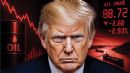
Oil prices plunged below $89 a barrel on Wednesday, igniting a wave of optimism on financial markets that the worst of the Iran crisis may be behind us.
The sudden enthusiasm was sparked by reports that Tehran has committed to restoring commercial traffic through the Strait of Hormuz to pre-war levels within a month of reaching an agreement with the United States. Yet, while traders raced to shed geopolitical risk premiums and rush back into equities, seasoned analysts warn that markets may be pricing in peace far too quickly, well ahead of the realities on the ground.
The Strait of Hormuz is no ordinary waterway. It is the world’s most critical oil chokepoint, funneling roughly one-fifth of global oil consumption under normal conditions. When hostilities escalated earlier this year, the closure of this vital corridor sent Brent crude prices soaring above $120 a barrel, upending supply chains and shaking investor confidence worldwide. Now, as news breaks of potential diplomatic progress, oil prices have collapsed more than 5 percent in a single session, with West Texas Intermediate and Brent crude both sharply retreating.
Yet, the physical energy industry remains far more cautious than the financial markets suggest. Nigel Green, CEO of the global financial advisory firm deVere Group, cautions that reopening the Strait of Hormuz on paper is only the first step. “Shipping lanes can reopen long before tanker operators, insurers, and energy companies behave as though conditions are genuinely stable again,” he explains. The physical infrastructure, logistics networks, and geopolitical trust that underpin global energy flows will take months, if not years, to fully recover.
This disconnect between market optimism and operational reality is underscored by recent statements from industry leaders. Sultan Ahmed Al Jaber, head of Abu Dhabi National Oil Company, warned that even if hostilities ended immediately, it could take at least four months to restore oil flows to 80 percent of normal levels, with full normalization unlikely until 2027. The damages to infrastructure, the hesitance of insurers, and the lingering military risks in the region pose formidable obstacles to a swift recovery.
The specter of renewed conflict remains real. U.S. strikes on Iranian targets earlier this month brought the region perilously close to another escalation cycle, with Tehran vowing retaliation. Oil prices have swung violently throughout May, reflecting traders’ alternating fears of military confrontation and diplomatic breakthroughs. This volatility underscores how geopolitical events continue to exert outsized influence on energy markets, despite the underlying supply-demand fundamentals.
Algorithmic trading has amplified these swings, accelerating market reactions to every headline. “One diplomatic headline can instantly reshape pricing across oil, equities, currencies, and bond markets,” says Green. The speed and scale of the latest selloff reveal how financial markets have become hypersensitive to geopolitical news, sometimes moving faster than the reality on the ground can justify.
The broader economic implications of these oil price moves are profound. Lower crude prices ease inflationary pressures, reduce costs for airlines and shipping, and lift investor sentiment. Central banks may find more room to maneuver on interest rates, potentially supporting broader financial stability. This explains why markets are so eager to see tensions ease, they are pricing in a best-case scenario that could reshape the macroeconomic landscape.
Yet, this eagerness may also breed complacency. Analysts warn that the recovery of physical energy flows and the restoration of geopolitical trust will lag far behind the rapid shifts in market sentiment. Infrastructure damaged or neglected during conflict requires extensive repairs, and the political complexities of the region mean that trust rebuilding is a slow process. History shows that post-conflict infrastructure resilience demands sustained commitment and time, not just diplomatic agreements.
The Iran crisis has thus become a test case for how modern energy markets balance geopolitical risk with economic fundamentals. While oil prices are down sharply from their April peaks, the underlying structural issues remain unresolved. The global oil market entered 2026 already grappling with oversupply and shifting demand patterns, but the Iran war introduced a volatile new factor that has kept prices elevated and markets jittery.
Investors face a delicate balancing act. On one hand, the promise of a deal between Washington and Tehran offers hope for stability and lower prices. On the other, the deep uncertainty about how swiftly and fully oil flows can normalize counsels caution. The physical energy system, from shipping lanes to insurance markets and refinery logistics, is unlikely to snap back overnight.
Financial markets have moved swiftly to embrace the prospect of peace, stripping out risk premiums and pushing prices lower. But the real world of infrastructure recovery, geopolitical trust, and military risk remains complex and fragile. As Nigel Green aptly puts it, “Markets may have moved on from the crisis faster than the crisis itself.”
This unfolding drama will continue to shape global energy prices and economic conditions in the months ahead. How quickly peace translates into stable, reliable oil flows will be the key question for markets, policymakers, and consumers alike. For now, the world watches as traders bet on peace, even as the physical energy industry braces for a longer, bumpier road to recovery.
.
Article publié le Wednesday, June 3, 2026